
Are Laminate Kitchen Cabinets Good Quality in Phoenix, AZ?
Are Laminate Kitchen Cabinets Actually Good Quality Kitchen cabinets are
Kitchen cabinets are the backbone of every functional cooking space, yet many Phoenix homeowners feel stuck choosing between affordability and long-term performance. You want something that holds up against relentless sun, dry desert air, and the daily wear of a busy house, but you also do not want to drain your entire budget on cabinetry alone. The good news is that modern laminate options solve that tension. When you choose the right materials and construction, well-made laminate delivers durability, design flexibility, and real value that suits life in Phoenix.
Today’s laminates are nothing like the cheap, peeling surfaces that gave the category a bad reputation decades ago. Laminate cabinets can be more durable than wood cabinets when the surface is a true high-pressure product bonded to a solid core. Manufacturers now offer textured finishes, realistic grain patterns, and even glossy or matte surfaces that rival painted or stained cabinetry in appearance. The material itself is engineered to resist scratches, moisture, and fading, three concerns that matter more in Phoenix than in most other markets.
Phoenix-specific conditions actually work in laminate’s favor in many ways. Because most homes run air conditioning throughout the warmer months, interior temperatures stay within manufacturer specs, reducing the expansion and contraction cycles that can crack solid wood over time. Dust is constant here, so a surface you can simply wipe clean saves hours of maintenance each year. Compared to painted wood finishes that chip, thermofoil doors that may peel near heat, or wood veneer that requires careful upkeep, laminate hits a practical sweet spot for many homeowners. The sections below break down exactly how laminate is built, where it excels, where it falls short, and what to look for when shopping for quality cabinets in Phoenix.
When people say “laminate,” they are usually talking about the surface layer only. The real quality of any piece of kitchen cabinetry also depends on the core material inside the boxes, the edge banding that seals every seam, and the hardware that keeps doors and drawers moving smoothly year after year.
Laminate cabinets are made from compressed wood resins and paper. In the case of high-pressure laminate, multiple layers of kraft paper are saturated with phenolic resins, topped with a decorative sheet, then pressed together under intense heat and pressure to form a dense, rigid surface. This is then bonded to a substrate panel. High-pressure laminates are more durable than low-pressure laminates, which use a thinner melamine-impregnated paper fused directly to the board in a single step. For fronts, shelves, and any horizontal surface that takes direct contact, high-pressure laminate is the stronger choice.
The core substrate matters just as much as the surface. Common options include:
Laminate cabinets are typically heavier than wooden cabinets because of the dense composite core combined with the laminate surface, so wall anchoring and stud attachment need to be solid.
Cabinet doors come in slab (flat-front) or five-piece construction. Slab doors with laminate wrap suit modern kitchen cabinetry styles and create clean lines that are popular in contemporary Phoenix homes. Five-piece doors can also feature laminate panels framed by matching or contrasting edges for a more transitional look.
High-quality laminate cabinets depend on the quality of core materials and edge banding. When evaluating any product, look for thick edge banding (at least one millimeter), full-overlay fronts, soft-close hinges, and sturdy metal brackets rather than plastic load-bearing parts. These details separate a cabinet that lasts from one that loosens within a few years.
Here is a straightforward benefits breakdown that highlights why laminate works well for homeowners in this market.
No material is perfect, and laminate has trade-offs that every homeowner should understand before committing to a kitchen remodel. Being aware of these concerns upfront helps you plan properly and avoid costly surprises.
Moisture can still cause problems at the core level. Seams in laminate can be vulnerable to water damage if not properly sealed, and if water penetrates exposed edges around the sink base or dishwasher connection, cheaper particleboard substrates can swell and delaminate. Using high-quality caulking, water-resistant adhesives, and plywood for base cabinets greatly reduces this risk. Avoid letting standing water pool around any cabinet toe kick or lower shelf.
Laminate cabinets cannot be painted or stained easily. Unlike solid wood that can be sanded, refinished, and given new life with a fresh coat of stain, laminate surface damage typically requires replacing whole panels or doors. Deep chips, burns, or peeling edges are difficult to repair invisibly, so prevention through careful use and quality edge banding matters.
Laminate can struggle with extreme localized heat near cooking appliances. Placing cabinets too close to a range or oven without proper clearances can cause adhesive breakdown or discoloration over time. Maintaining proper ventilation and clearances around heat sources extends laminate lifespan significantly. Phoenix building regulations require safe mounting, clearances from cooking appliances, and ventilation, and following these rules protects both safety and your investment.
Direct, intense sun through large west-facing windows over many years can gradually shift darker cabinet colors. Window coverings, UV-filter glass, or choosing lighter, UV-stable laminates for exposed areas all help. Check manufacturer warranties and care instructions specifically for use in warm, dry climates and near heat-generating appliances before you purchase.
Many Phoenix homeowners compare laminate to solid wood, wood veneer, thermofoil, and melamine when shopping for new cabinets. Each material has a distinct set of strengths, and understanding the differences helps you match your priorities to the right product.
Solid wood cabinets are the most common kitchen cabinet material nationwide. Wood delivers authentic grain, the ability to be sanded and refinished multiple times, and a natural warmth that many buyers love. However, wood costs more, requires regular finish maintenance, and can warp or crack in the dry desert air. Laminate offers easier cleaning and more stable color retention over time in Phoenix conditions.
Wood veneer places a thin slice of real wood over a substrate, giving a genuine look at a lower cost than solid lumber. Veneer can be stained or finished to highlight natural variations, but the clear coat is more vulnerable to moisture, heat, and scratching than a laminate surface. Cleaning veneer requires gentler products to avoid damaging the finish layer.
Thermofoil is made from vinyl film and is moisture resistant, which makes it popular for budget-friendly projects. However, thermofoil doors are known to peel when exposed to concentrated heat, so cabinet doors near ovens or dishwashers can degrade faster than laminate alternatives when clearances are tight. High-quality laminate typically handles heat and edge wear better.
Melamine cabinets are completely waterproof and durable, making them a solid choice for interiors, shelving, and cabinet boxes. Melamine is essentially a lower-pressure variant of the laminate family and works well for surfaces that are not heavily exposed to impact.
Painted MDF or plywood delivers a smooth, custom finish that can match any color, but painted surfaces chip and scratch more readily in high-traffic kitchens. Laminate resists surface chips better, though touch-ups on laminate are harder when damage does occur.
When does each material work best? Laminate suits busy families wanting durable, low-maintenance style at an affordable price point. Veneer or solid wood fits homeowners seeking a premium, natural look who are willing to invest in upkeep. A hybrid approach, mixing laminate bases with a wood veneer island or glass-front uppers, lets you create visual depth without stretching the budget across every cabinet in the room.
Understanding long-term value matters more than comparing sticker prices alone. A set of cabinets is something you live with daily for well over a decade, so the cost per year of use is a smarter metric than the initial receipt.
Laminate generally falls between basic thermofoil at the low end and higher-end custom cabinetry or solid wood at the top of the pricing range. In the Phoenix market, expect entry-level laminate sets to start in the low thousands installed, while premium configurations with plywood boxes, high-pressure laminate fronts, and upgraded hardware climb considerably higher. Getting quotes from more than one cabinet shop or cabinet store helps you see where the money goes.
Quality laminate cabinets routinely last 15 to 25 years or longer in normal residential use when installed correctly and kept dry. Construction details drive that number: plywood versus low-grade particleboard, heavy-duty metal drawer glides versus lightweight plastic runners, and six-way adjustable hinges versus fixed hardware all influence how long cabinets feel solid and stay properly aligned.
From a resale perspective, a thoughtfully designed laminate kitchen can still appeal to buyers if the layout, color, hardware, and style feel current and cohesive. The box material is largely hidden; what sells a house is visible quality, smooth operation, and a clean, updated look.
This section is your actionable checklist for evaluating options whether you are browsing a cabinet online store catalog or visiting a local showroom.
Simple, consistent care extends the life and appearance of laminate cabinets in busy Phoenix households. Here are straightforward habits that protect your investment.
Following manufacturer care instructions preserves any existing warranty and ensures safe, long-term performance. Keep those documents accessible after your installation is complete.
We know that finding the right kitchen cabinets in Phoenix can feel overwhelming, which is why we built VIP Cabinets around speed, quality, and convenience. Our flat-pack and unassembled cabinetry ships in about three to five days, and our factory-built options are ready in roughly two weeks, though lead times may vary slightly based on demand. We offer pickup right here in Phoenix near Sky Harbor Airport and deliver to prominent surrounding areas including Peoria and beyond.
All orders must be placed and processed through our website before pickup or delivery. We ask customers to double-check every detail before checkout, as we do not offer refunds, returns, or cancellations. If you would like to visit our Phoenix distribution center to see our products in person before you purchase online, email us at orders@vipcabinets.com to schedule an appointment. We are open weekdays from 9 a.m. to 2 p.m.
At VIP Cabinets, we specialize in durable laminate and wood-look lines that pair beautifully with today’s popular countertops and hardware. Whether you need RTA cabinets for a weekend project or a complete set of custom cabinetry for a full remodel, our team is here to help you save money without sacrificing style. Call us at (602) 428-4840 for details, and let us deliver the kitchen you have been planning.
Laminate handles the chaos of family life well. High-pressure laminate resists scratches from pet claws and toy impacts better than most painted or thermofoil surfaces. Sticky fingerprints, juice spills, and muddy paw prints wipe away with a damp cloth and mild soap without leaving residue or staining. For homes with young children, choosing a matte or lightly textured finish helps hide minor scuffs that would be obvious on a high-gloss surface. The key is selecting a product with sealed edges and a dense core so that repeated cleaning around lower cabinets does not cause moisture to seep into the substrate over time. Laminate cabinets tend to be heavier than wooden cabinets, which also means they feel more solid and resist being knocked loose from walls by energetic kids.
Technically, you can paint laminate, but the process is not as straightforward as painting wood. Because laminate cabinets cannot be painted or stained easily, you would need thorough cleaning, light sanding or liquid deglosser, a specialty bonding primer, and multiple coats of durable cabinet-grade paint. The finish will never be as hard or factory-smooth as the original laminate and is more prone to chipping. For a single accent color change on an island or a few uppers, painting can be a reasonable weekend project. For a full kitchen makeover, replacing the doors entirely with new laminate or wood fronts while keeping the existing boxes is often more practical, faster, and delivers a cleaner result that you can expect to last.
Yes, provided you follow local building requirements and manufacturer clearance guidelines. Phoenix codes require specific distances between combustible materials and cooking appliances, and laminate is classified as a combustible surface. Typical minimum clearances call for at least 24 to 30 inches between a cooktop and the bottom of overhead cabinets, though exact measurements depend on whether a range hood or microwave is installed between them. Adding a metal heat shield to the underside of cabinets directly above a gas burner provides extra protection. Keeping ventilation running during cooking reduces heat buildup on adjacent surfaces. If your kitchen layout places base cabinets immediately beside a cooktop, a filler panel or heat-rated end panel prevents direct exposure and keeps your laminate looking new.
The most common error is inaccurate measurements. Even a quarter-inch mistake on a wall dimension can leave you with gaps that filler strips cannot cover or cabinets that simply do not fit. Always measure twice and account for any out-of-square walls, which are common in older Phoenix houses. A second frequent mistake is forgetting to order filler pieces, scribe molding, and toe kick trim, all of which create a finished, professional appearance. Third, homeowners ordering RTA cabinets often underestimate assembly time and the tools required. Budget at least a full weekend for a standard-sized kitchen and have a drill, level, clamps, and a helper on hand. Reading the full assembly guide before you start prevents costly do-overs and keeps the project on schedule.
Start by limiting your palette to two or three complementary tones. A popular strategy is using a neutral laminate on perimeter cabinets with a contrasting wood veneer or deeper-toned laminate on the island. This creates visual separation without clashing. Second, keep hardware consistent across all cabinets regardless of material; matching handles and pulls unify the look instantly. Third, use open shelving or glass-front uppers as a bridge element. A few open shelves between solid laminate uppers break up visual weight and give you a place to display items that add personality. Staying within the same color family, warm tones with warm tones or cool with cool, prevents the kitchen from feeling like a patchwork of unrelated pieces and keeps the entire space cohesive.
This article provides general information for Phoenix, AZ homeowners and does not replace professional design, building-code, or legal advice. Consult a qualified local contractor or building official before beginning any cabinet installation or kitchen remodel project.
Are Laminate Kitchen Cabinets Actually Good Quality Kitchen cabinets are
Cabinet online shopping has changed how Phoenix homeowners plan kitchens
Kitchen cabinets rarely fit a room wall-to-wall without at least
Kitchen cabinets are one of the biggest investments in any
Cabinet online purchases can make a Phoenix remodeling project more
Cabinet online shopping makes it easier to plan an affordable
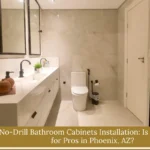
Why Homeowners Are Looking for Drill-Free Bathroom Cabinet Options Cabinet

Why Homeowners Are Asking This Question More Than Ever Bathroom

Phoenix Cabinet Online searches are rising fast as homeowners look

Phoenix Cabinet Online shoppers often ask one important question: can