Do You Need Filler Strips for Kitchen Cabinets? A Phoenix, AZ Guide
Kitchen cabinets rarely fit a room wall-to-wall without at least

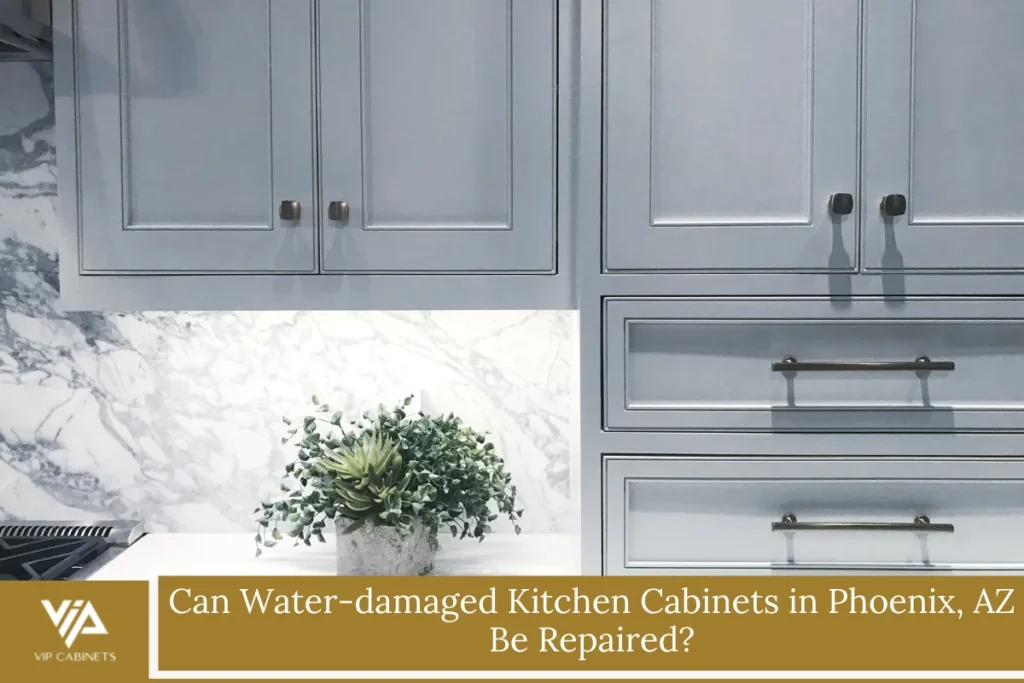
Kitchen Cabinets in Phoenix, AZ often face a hidden enemy that many homeowners underestimate—water damage. The problem usually starts small: a slow plumbing leak, condensation from appliances, or moisture creeping in after monsoon storms. Left unchecked, that moisture can swell wood, weaken cabinet structures, and ruin the look of your kitchen. What begins as a cosmetic issue can quickly turn into a costly repair or replacement decision. The good news is that not all water damage means your kitchen cabinetry is beyond saving. With the right evaluation, materials, and repair approach, many kitchen cabinets can be restored, extending their life and protecting your kitchen’s value.
Phoenix is known for dry heat, but that climate creates a false sense of security. Kitchens are moisture-heavy environments regardless of location. Water damage here often comes from interior sources rather than humidity alone.
Common causes include:
Because cabinets sit directly beneath sinks and appliances, they are often the first kitchen component to absorb moisture. Over time, repeated exposure weakens joints, loosens fasteners, and causes visible deterioration.
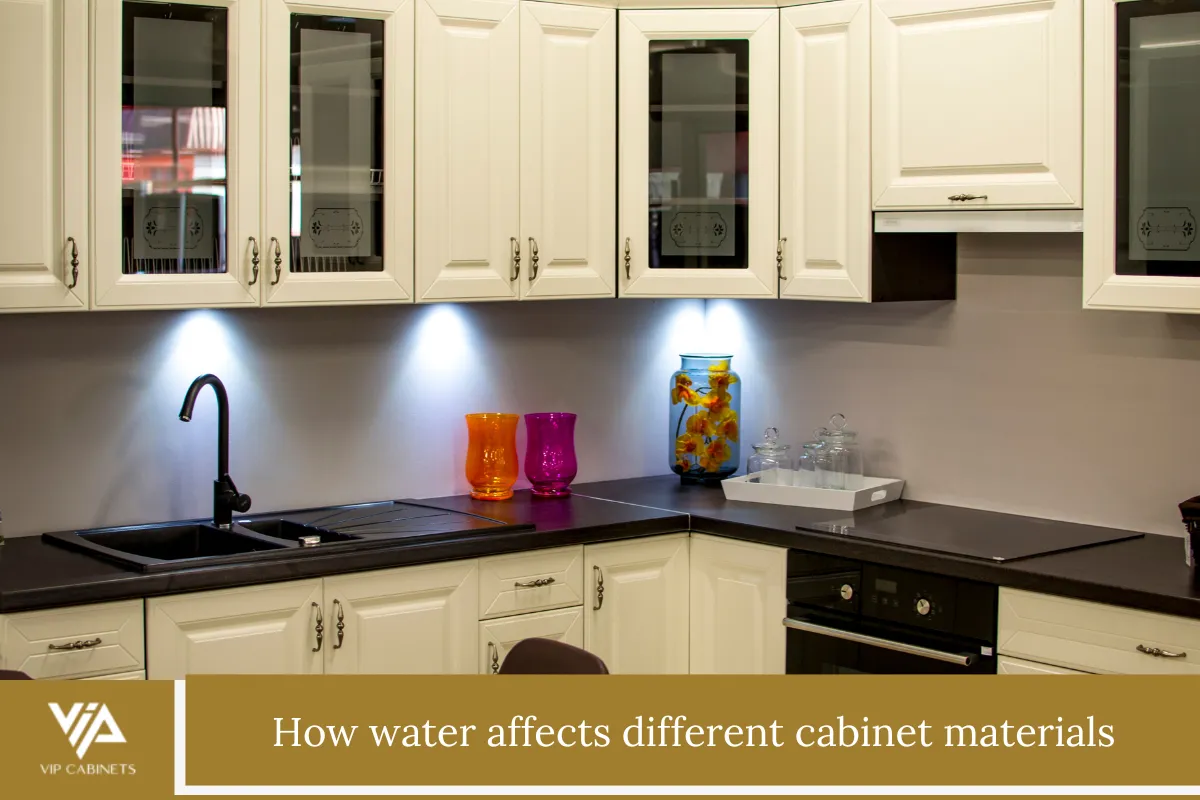
Not all kitchen cabinets respond to water exposure the same way. Understanding the material makeup of your kitchen cabinetry is essential when deciding whether repair is possible.
Solid wood expands when wet and contracts as it dries. Minor swelling, surface discoloration, or loose joints can often be repaired. However, prolonged saturation can lead to warping, splitting, or structural failure.
Plywood is more moisture-resistant than particleboard, making it a better candidate for repair. If the layers remain intact and mold has not penetrated deeply, damaged sections may be reinforced or resurfaced.
These materials absorb water quickly and lose structural integrity once swollen. Cabinets made from particleboard often crumble or permanently deform, making repair impractical in many cases.
Water can break down adhesives, causing peeling or bubbling. If the cabinet box is still sound, surface repairs may be possible, but widespread damage usually requires replacement.
Water damage rarely appears overnight. Spotting early indicators can save your kitchen cabinets from total failure.
Look for:
Addressing these signs promptly increases the chances that repair remains a viable option.
Yes, water-damaged kitchen cabinets can often be repaired—but only under the right conditions. The key factor is whether the cabinet’s structure remains intact.
Repair is usually possible when:
In these cases, repairs can restore function and appearance without the cost of full replacement.
There are situations where repair is no longer cost-effective or safe.
Replacement is often necessary when:
Trying to repair cabinets in these conditions may only delay inevitable failure and create ongoing maintenance issues.
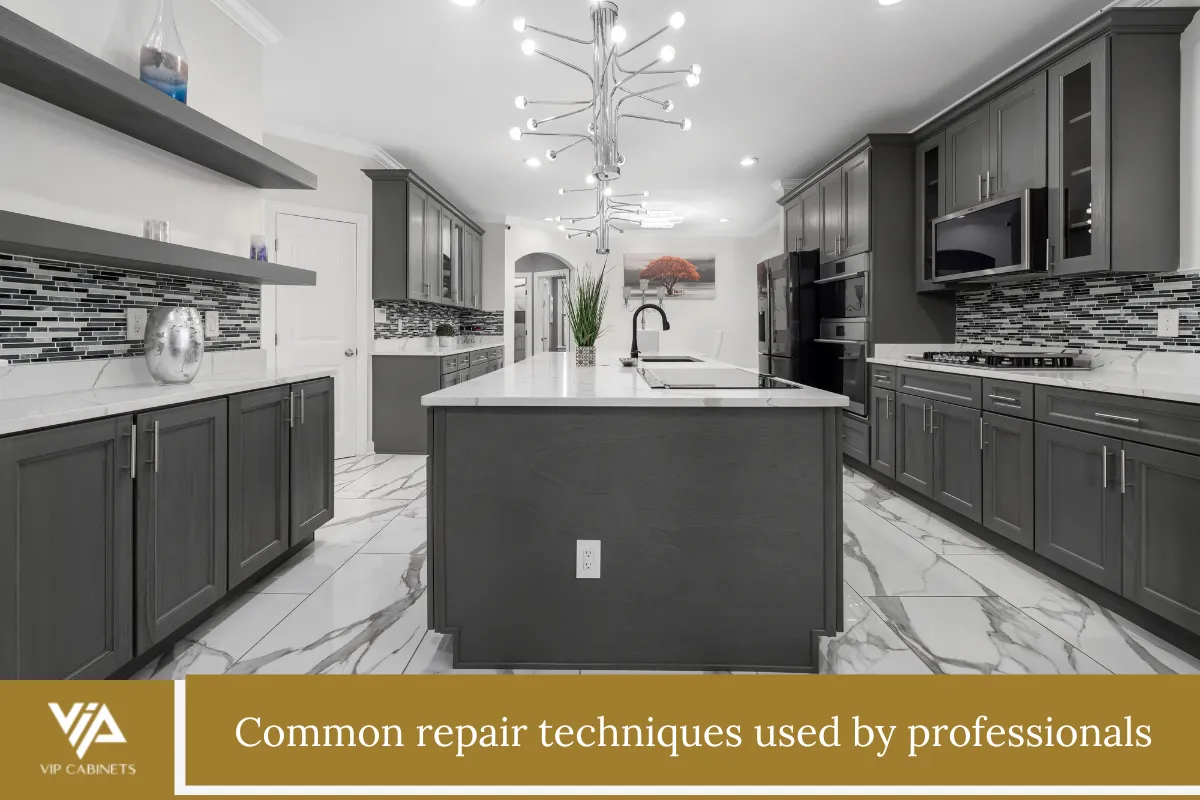
When cabinets qualify for repair, several proven methods are used depending on the severity and location of damage.
The first step is thorough drying using airflow and dehumidification. Trapped moisture must be eliminated to prevent future mold growth.
Weakened cabinet bottoms or panels may be reinforced with moisture-resistant plywood inserts or support brackets.
Stains, discoloration, and finish damage can often be sanded, sealed, and refinished to blend seamlessly with surrounding cabinetry.
Water damage can throw cabinet doors out of alignment. Hinges and hardware may be replaced or adjusted to restore proper operation.
Read How Do You Fix a Scratched Kitchen Cabinets in Phoenix, AZ?
Mold is a serious issue that should never be overlooked. Even small patches inside cabinets can affect indoor air quality.
If mold is present:
Ignoring mold can lead to recurring damage and potential health concerns.
The cost difference between repairing and replacing kitchen cabinets can be significant.
Repairs typically cost less when:
Replacement becomes more cost-effective when:
A careful evaluation helps homeowners make informed financial decisions.

Countertops play a major role in how water impacts cabinets. Poorly sealed seams allow water to travel directly into cabinet boxes.
Materials like quartz and granite offer better protection when properly sealed, while laminate countertops are more prone to water intrusion. Ensuring proper sealing helps prevent future cabinet damage.
Once repairs are complete or new cabinets are installed, prevention becomes the priority.
Smart prevention steps include:
These steps extend the lifespan of kitchen cabinets and protect your investment.
Maintaining kitchen cabinetry isn’t just about appearance. Well-maintained cabinets improve daily functionality and help preserve home value. Addressing water issues early prevents costly renovations and keeps kitchens operating efficiently.

We understand how frustrating water damage can be, especially when it affects the heart of your home. At VIP Cabinets – C4L Cabinetry, we provide high-quality kitchen cabinets designed for durability, functionality, and modern kitchens. As a cabinet online store, we make it easy to browse, select, and order kitchen cabinetry that fits your needs without the pressure of a showroom visit.
All orders are placed and processed through our website to ensure accuracy and efficiency. We encourage customers to double-check selections before checkout, as we do not offer refunds, returns, or cancellations. Pickup or delivery is scheduled after online processing, with timelines varying based on demand.
If you would like to view our cabinets before purchasing, appointments are available at our Phoenix distribution center by emailing orders@vipcabinets.com. Contact us today at (602) 428-4840 or visit our website to explore dependable kitchen cabinet solutions built for Phoenix kitchens.
Water damage may appear within days or take weeks depending on exposure levels and cabinet material. Particleboard cabinets show damage faster, often swelling within 24 to 48 hours. Solid wood may take longer, but hidden moisture can still weaken joints over time. Early signs like slight warping or odors often precede visible damage.
Natural drying is rarely sufficient. Cabinets trap moisture in enclosed spaces, slowing evaporation. Without proper airflow and dehumidification, moisture can remain inside cabinet boxes, encouraging mold growth. Controlled drying methods are recommended to ensure moisture is fully removed.
Coverage depends on the cause of damage. Sudden incidents like burst pipes are often covered, while long-term leaks may not be. Policy terms vary, so homeowners should document damage and consult their insurance provider promptly.
Repainting alone is cosmetic and does not address structural damage. If the cabinet material has swollen or softened, painting may temporarily hide issues but will not restore strength or longevity.
Many modern cabinets use improved construction methods and moisture-resistant materials. While no cabinet is waterproof, better materials and finishes significantly reduce the risk of severe water damage when properly maintained.
Disclaimer: This article is intended for general informational purposes only. Conditions vary by home, materials, and extent of damage. For accurate recommendations, professional evaluation of your specific kitchen cabinets is always advised.
Read Phoenix Cabinet Online Store: What Should I Do if My Cabinets Arrive Damaged?
Kitchen cabinets rarely fit a room wall-to-wall without at least
Kitchen cabinets are one of the biggest investments in any
Cabinet online purchases can make a Phoenix remodeling project more
Cabinet online shopping makes it easier to plan an affordable
Why Homeowners Are Looking for Drill-Free Bathroom Cabinet Options Cabinet

Why Homeowners Are Asking This Question More Than Ever Bathroom

Phoenix Cabinet Online searches are rising fast as homeowners look

Phoenix Cabinet Online shoppers often ask one important question: can

Phoenix Cabinet Online makes it easier than ever to customize

Kitchen Cabinets in Phoenix, AZ are constantly exposed to heat,